Hard soil, rocks, steep slopes, and tight construction schedules can make operators push the machine too hard. Running at full speed, forcing the drill into hard ground, or making sudden movements may save a few minutes, but it can lead to higher maintenance costs and unexpected downtime.
Here are 4 key parts of a solar pile driver that need special attention.
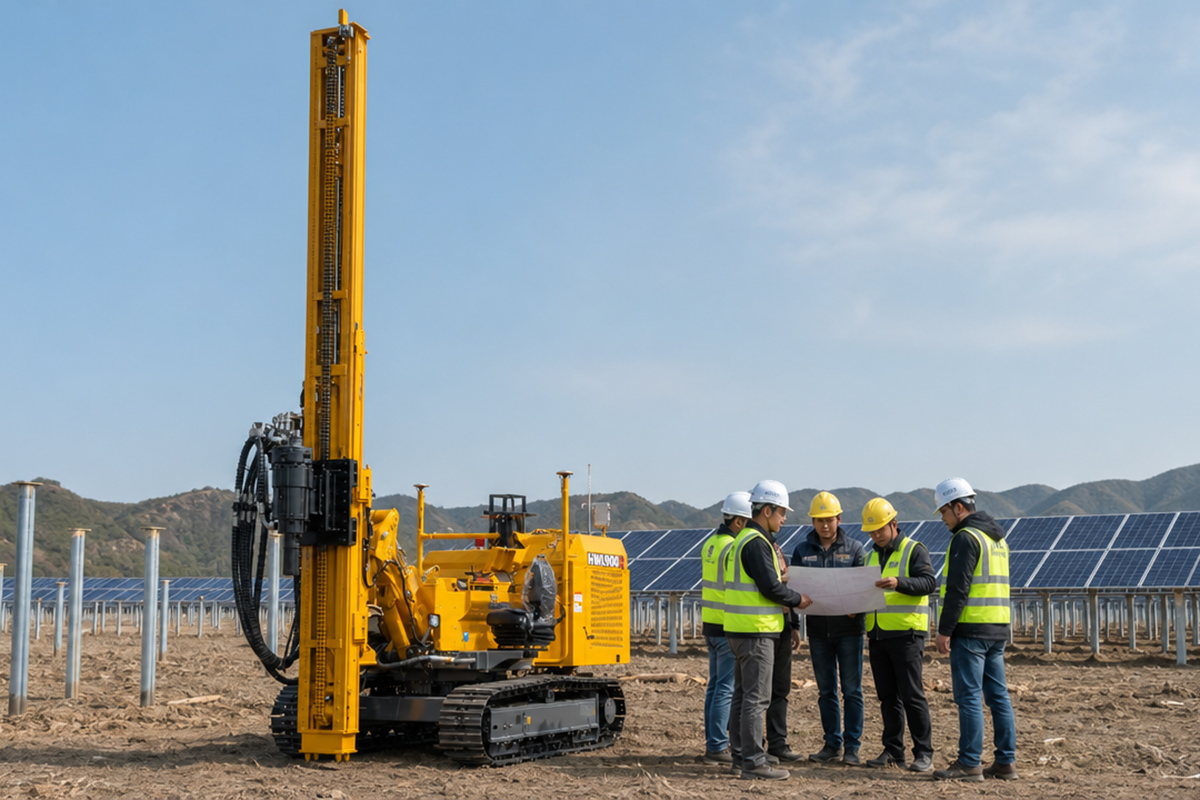
The drill rod and drill bit are working parts that face constant wear.
A common mistake is to use full power when drilling into hard soil, rocks, or gravel without checking the ground conditions. Forcing the drill when the pile position is not correct can also cause damage.
This may result in:
Drill bit wear or broken teeth
Bent or damaged drill rods
Poor pile alignment
Rework and lower productivity
Start drilling at a lower speed and check the ground conditions. Adjust the rotation speed and drilling pressure according to the soil.
If hard material is encountered, reduce the pressure instead of forcing the drill. If the pile position is incorrect, stop the machine and make adjustments before continuing.
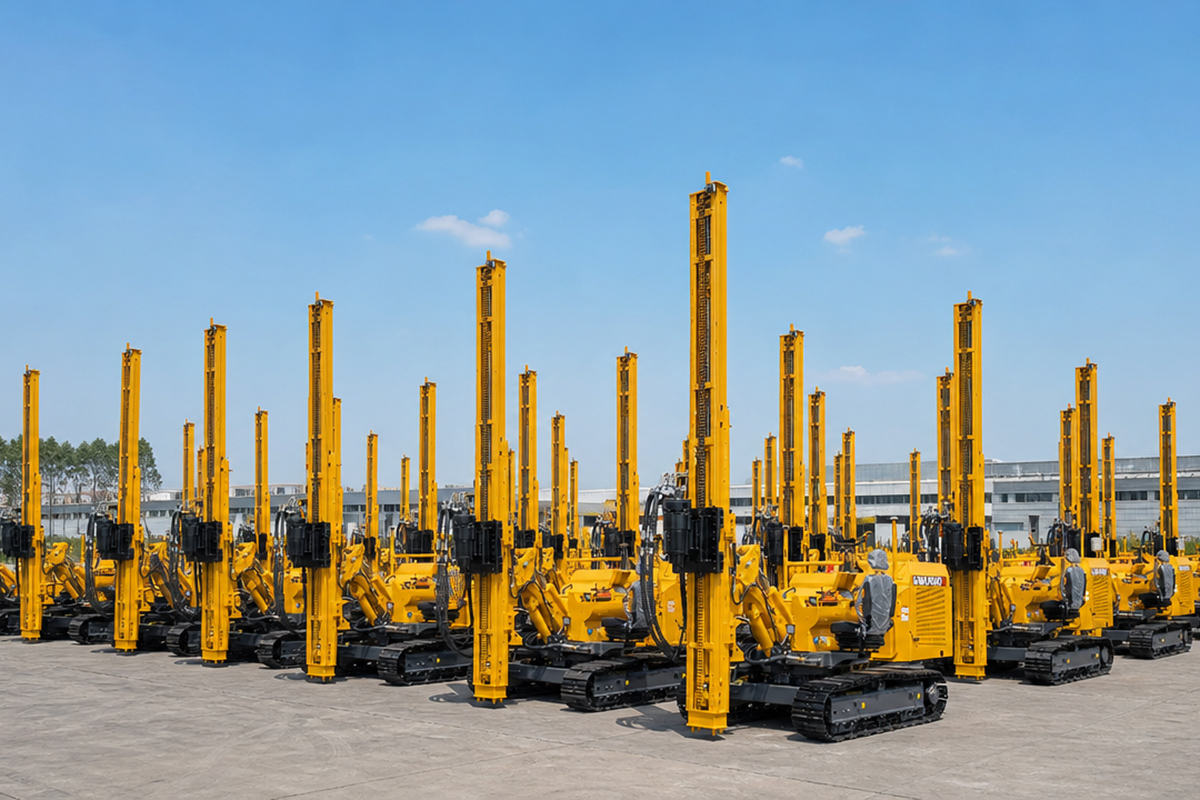
The hydraulic system is one of the most important parts of a solar pile driver.
Sudden full-load operation, aggressive control lever movements, or keeping the hydraulic system under high pressure for too long can increase the risk of damage.
Long-term overload may cause:
Hydraulic oil overheating
Seal leakage
Hydraulic pump wear
Damaged hydraulic hoses
Reduced machine performance
Allow the machine to warm up before heavy work. Operate the controls smoothly and avoid sudden movements.
When the machine meets strong resistance, reduce the load instead of forcing the system.
After work, allow the machine to run at idle for a short time before shutting it down.
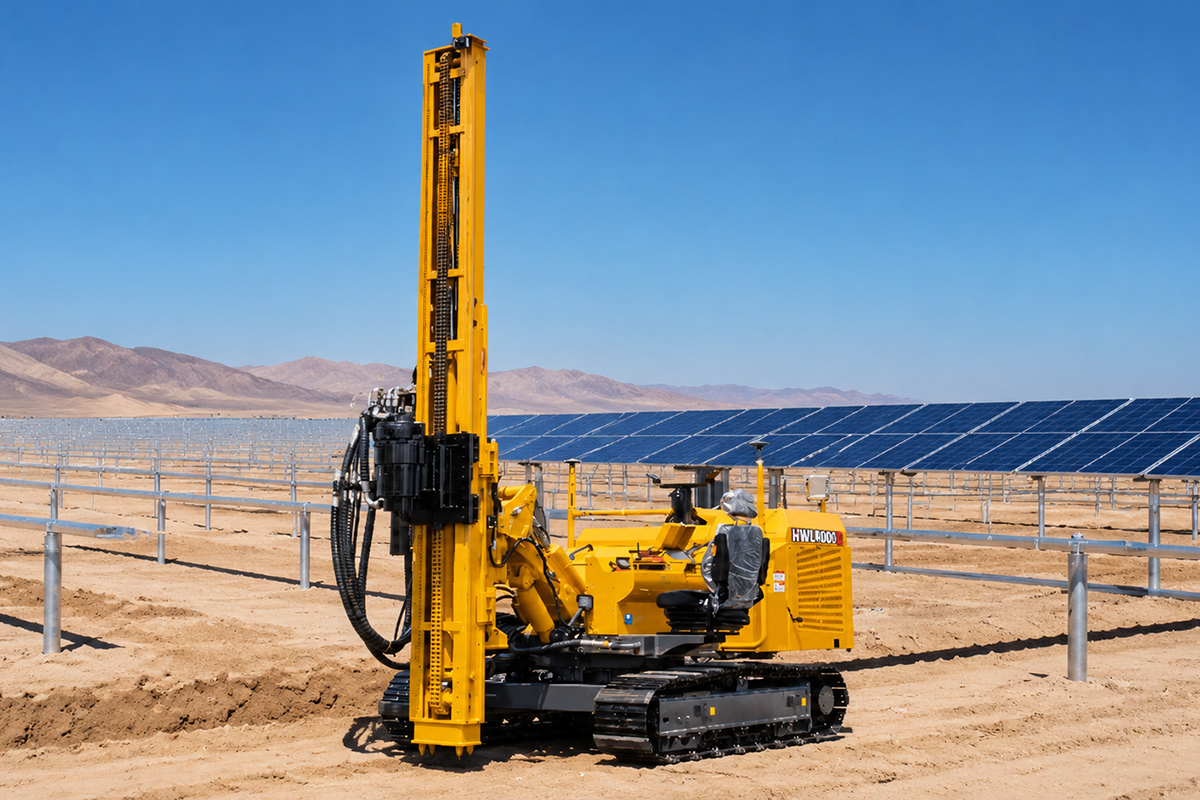
The slewing system is especially important when the solar pile driver needs to move between different pile positions.
A common mistake is to rotate the machine quickly while the drill rod is still close to the ground or while the machine is carrying a load.
Sudden rotation can put heavy stress on the slewing bearing and gearbox.
Over time, this may cause:
Gear wear
Machine vibration
Poor positioning accuracy
Higher repair costs
Raise the drill rod before rotating.
Turn the machine smoothly and slowly. Avoid sudden starts and stops.
Smooth rotation helps protect the slewing system and improves pile positioning accuracy.
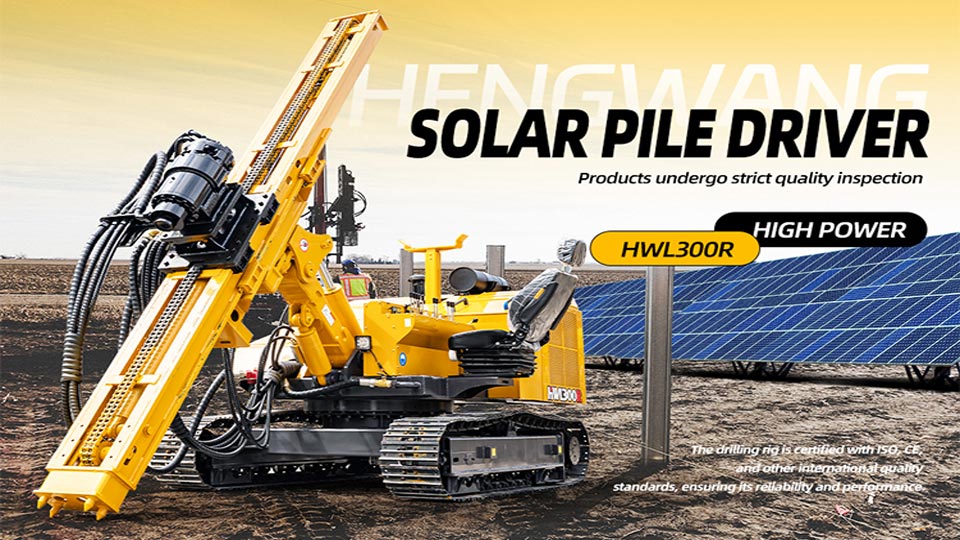
Solar projects are often built on challenging terrain, including hills, slopes, and uneven ground.
The crawler system can be damaged by high-speed travel on steep slopes, moving the machine with a pile still engaged, or carrying a heavy load over long distances.
These practices may lead to:
Crawler and roller damage
Frame deformation
Difficult or uneven travel
Reduced piling accuracy
Drive at low speed on rough or steep terrain.
Make sure the machine is level before starting the piling operation.
If you need to adjust the pile position, keep the movement short and controlled. Avoid traveling long distances while carrying a load or with the pile still engaged.
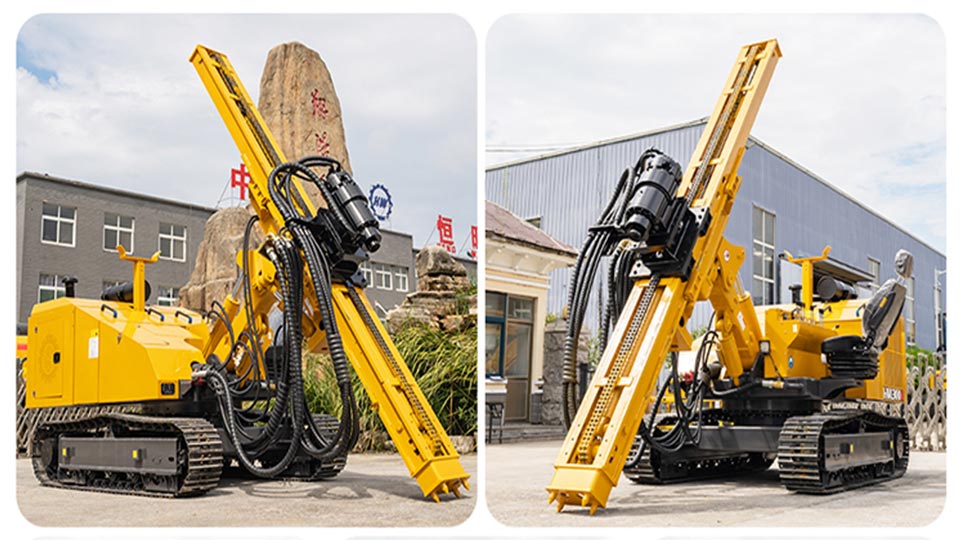
Good operating habits do not slow down a solar construction project. In many cases, they help reduce downtime, maintenance costs, and unnecessary repairs.
A solar pile driver works in demanding conditions, so proper operation is essential for keeping the machine productive and reliable.
By taking care of the drill system, hydraulic system, slewing system, and crawler system, operators can reduce equipment wear and extend the service life of the machine.
At Hengwang, we provide solar pile drivers for different ground conditions and solar construction projects, together with professional technical support.
Looking for a reliable solar pile driver for your project? Contact Hengwang to discuss your requirements.
WhatsApp:+86 17686192616
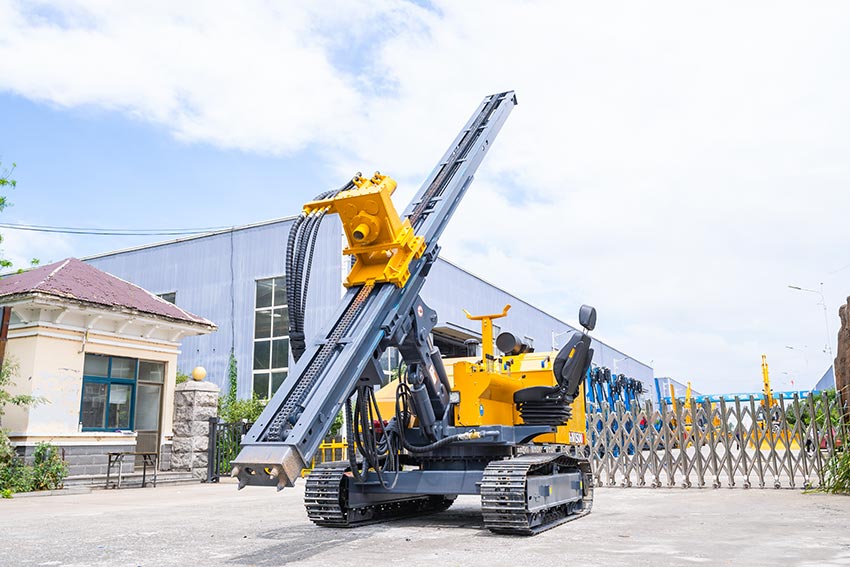
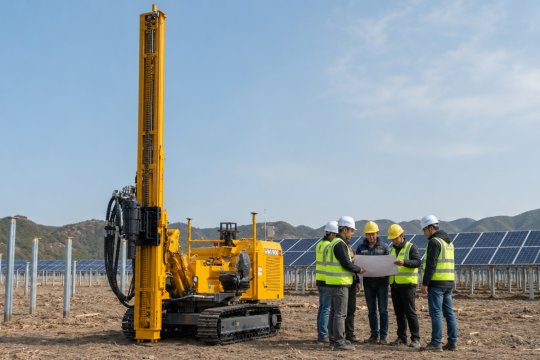 4 Parts of a Solar Pile Driver You Should Never Operate Roughly
 Arctic weather ahead! Your excavator struggling? Don't worry - Hengwang's got your back!
 Title: Forklift Maintenance Guide: Boost Efficiency and Extend Lifespan


